Frequently Asked Questions (FAQs)
Tile Roof Lift & Relay Questions
What does a tile lift and relay involve, and how is it different from a new roof installation?
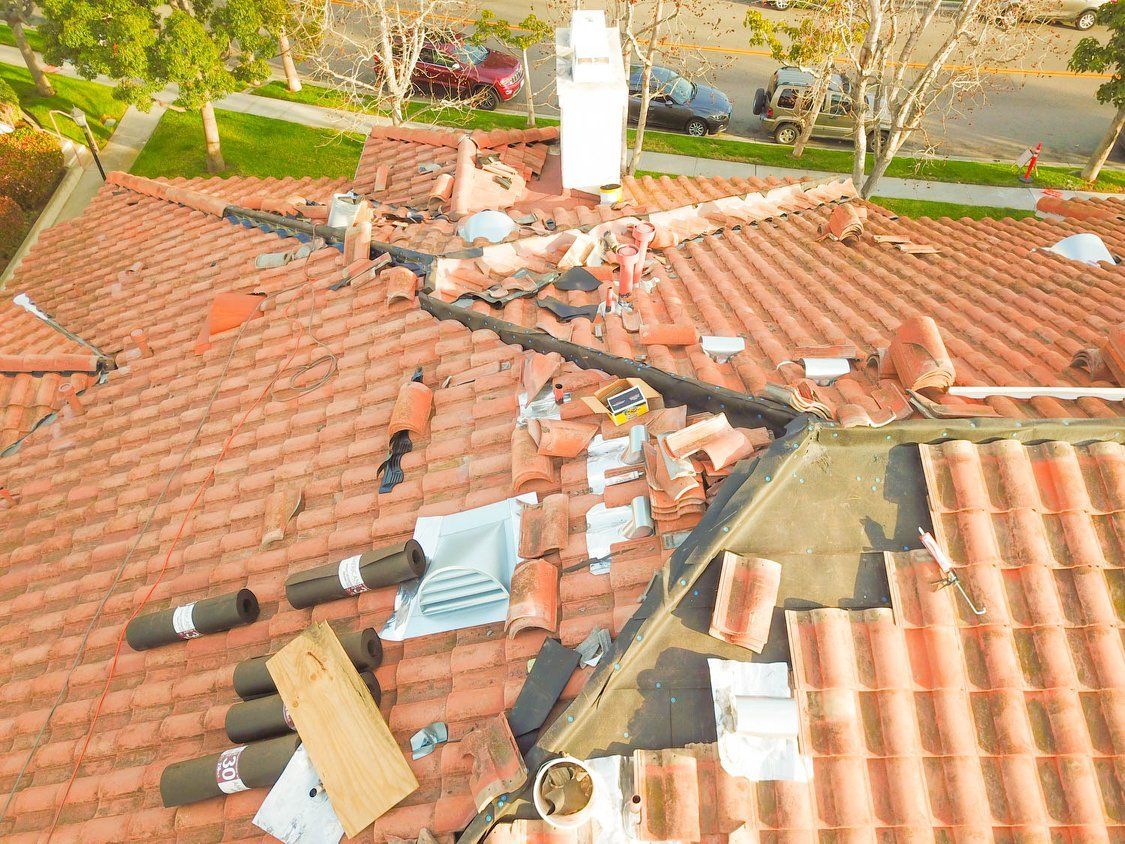
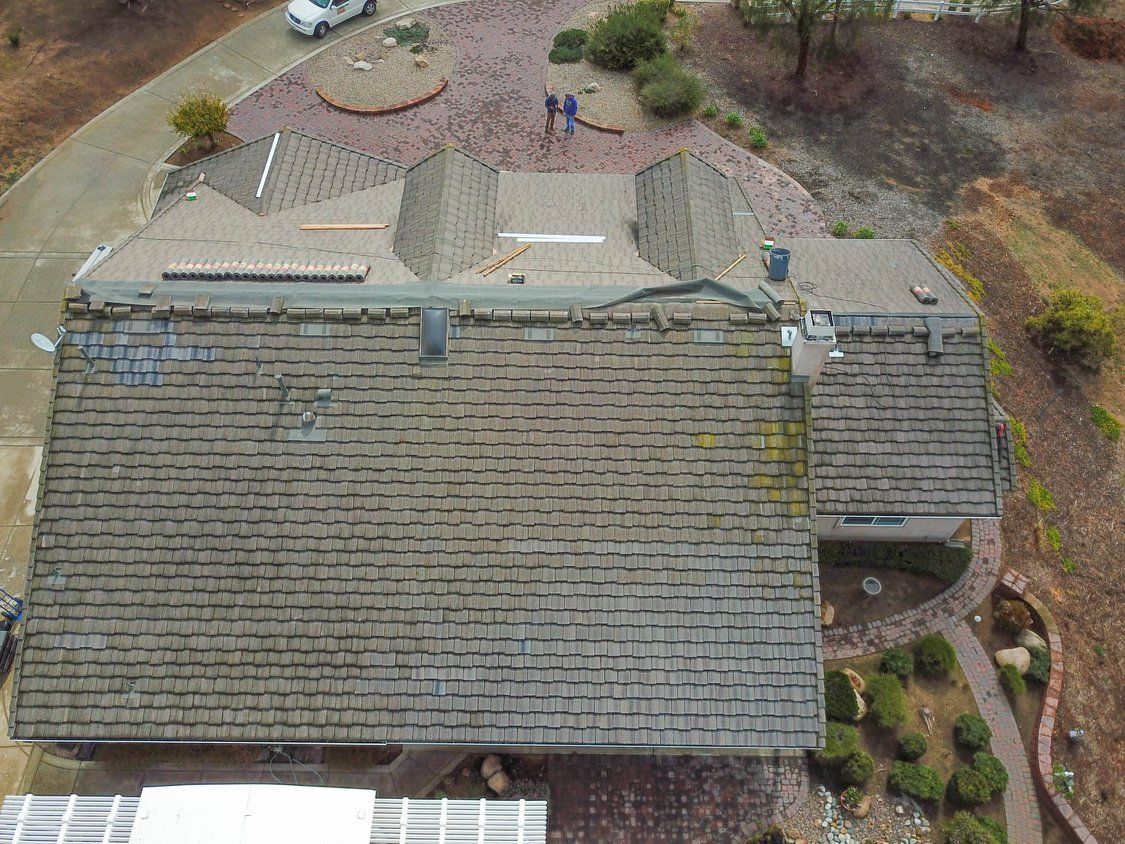
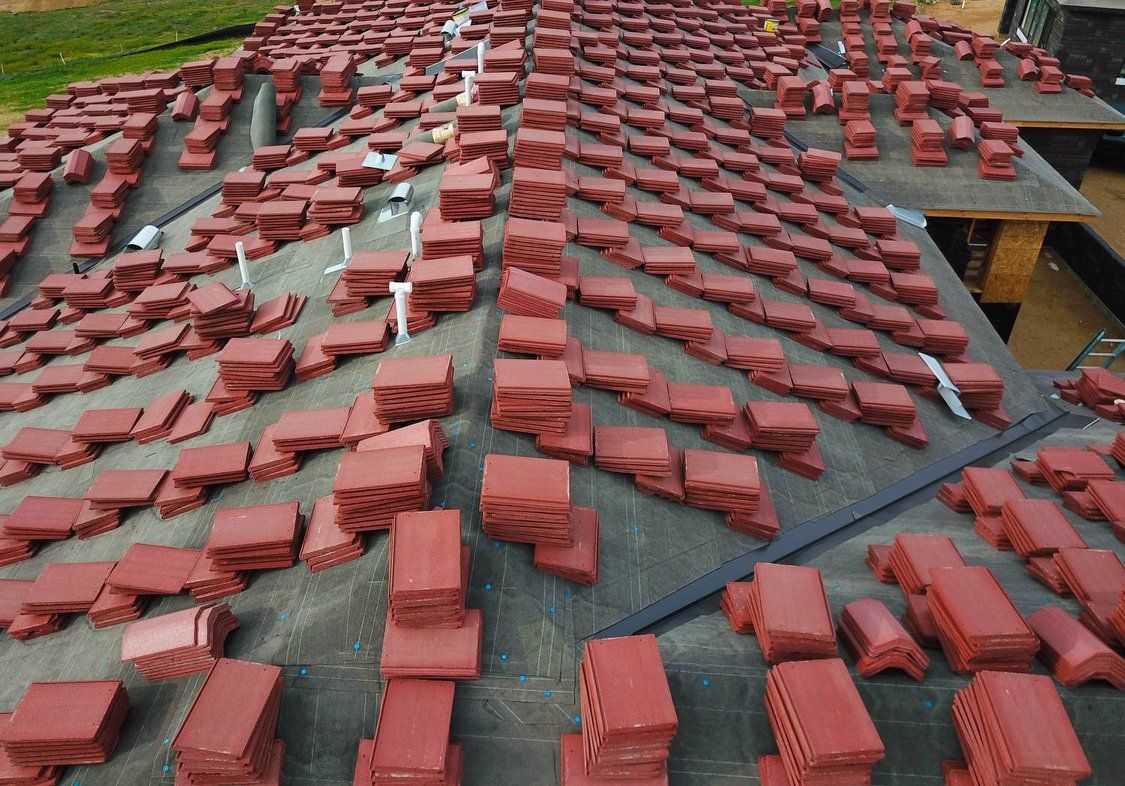
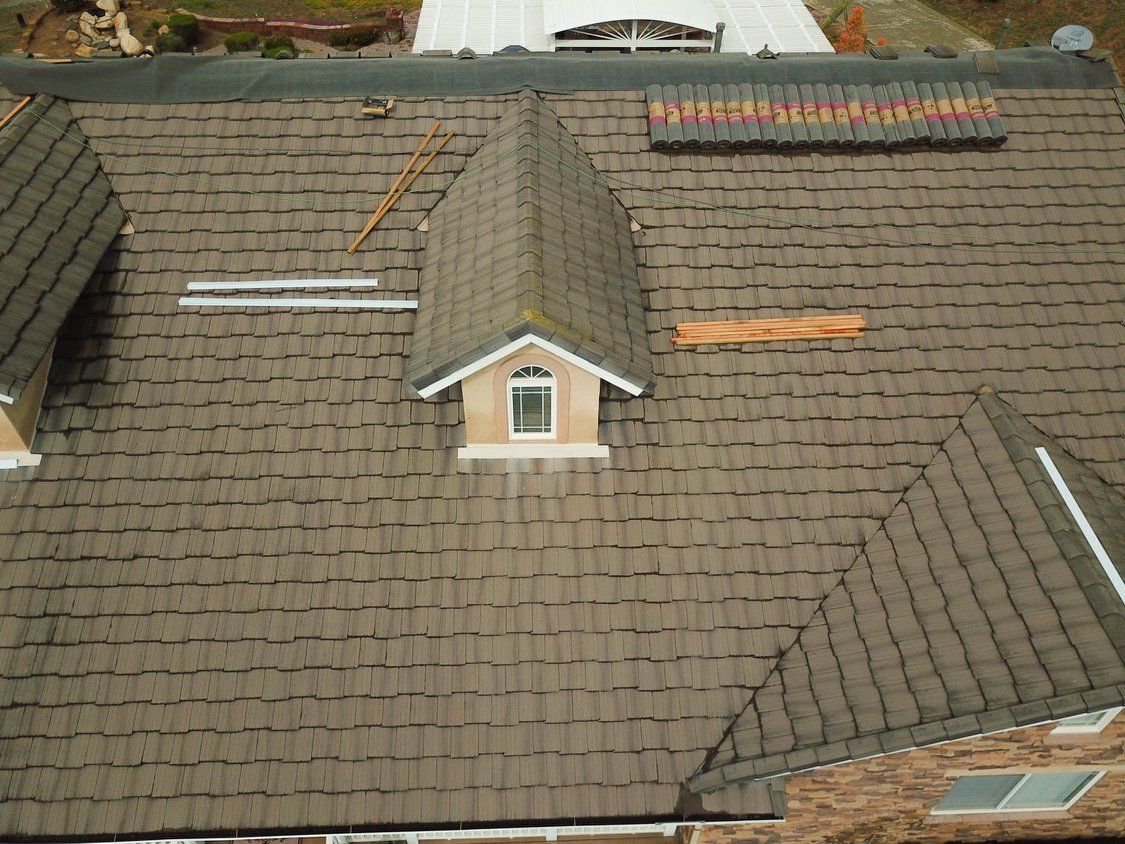
A tile lift and relay (also called lift and lay or tile re-roof) means we remove the existing roof tiles, install new underlayment, and reinstall your original tiles. During this process, we also replace damaged flashings such as edge metal, vent, chimney, and skylight flashings.
How often should tile roofs in Southern California be lifted and relaid?
Underlayment typically lasts 20–30 years. Over 90% of our lift-and-relay projects fall within this range. Roofs older than 30 years and less than 20 years are less common but still possible.
Can I reuse my existing roof tiles during a relay, or should I replace them?
Yes. Concrete tiles usually last 50–60 years, and clay tiles can last over 100 years.
What kind of underlayment works best under clay or concrete tiles in hot, dry climates?
We recommend high-quality asphalt-based underlayments, not synthetic. Proven brands include Fontana Vulkaseal 30#, Fontana Organic Gase 40#, Fontana Vulkaseal G40 Modified, and Malarkey UDL 40. These products have a 40–50+ year life expectancy. Synthetic underlayments often fail despite long warranties, so we avoid them.
Does a lift-and-relay extend the warranty on life of the roof structure?
Yes. A lift and relay is essentially a new roof using your original tiles. Remember, the underlayment and flashings provide waterproofing. The tiles mainly protect against sun and add curb appeal.
HOA Roofing Service Questions
What makes HOA roofing different from standard residential roofing?
HOA projects are larger and require skilled roofers who combine technical expertise with strong communication and respect for residents during disruptive work.
How can TWM Roofing help with long-term budgeting for HOA roof replacement?
We offer free inspections, priority ratings for each building, and customized plans based on your budget and cash flow. We also provide short-term, interest-free financing to help HOAs manage costs.
What’s the process for getting multiple buildings reroofed with minimal disruption to residents?
Clear communication is key. We provide detailed notices, timelines, and direct contact info for the onsite foreman and project managers. Respect and responsiveness help keep issues small and resolved quickly.
Do HOAs need annual roof inspections and roof maintenance in California for liability or insurance purposes?
Some insurers require it; others recommend it. HOAs that maintain annual inspections usually avoid major insurance issues. Regardless of insurance, regular maintenance saves money and prevents costly damage.
Roof Maintenance & Repair Questions
How often should I schedule roof maintenance in San Diego County’s climate?
- Tile & Shingle roofs over 20 years: annually
- 10–20 years old: every 2 years
- Under 10 years: every 3 years
- Flat roofs over 10 years: annually
- Flat roofs under 10 years: every 2 years
What is included in a typical residential roof maintenance plan?
Inspection, sealing penetrations, and cleaning/sealing drains. We always provide a detailed scope for your roof type.
Is pressure washing safe for tile roofs?
- Tile roofs: Yes
- Asphalt shingles: No
- Flat roofs: Only in select cases
What’s the best way to spot early signs of tile or shingle roof damage before it leaks?
Check under roof eaves for water stains, inspect perimeter walls, and use binoculars or a drone for loose tiles/shingles. For safety, avoid walking on the roof, hire a professional for a full inspection.
Should I repair my roof before or after the rainy season?
Before the rainy season is best to prevent leaks and structural damage, but we handle repairs year-round.
Climate-Specific Roofing Questions
How does coastal weather affect tile roofs differently than inland heat?
Coastal areas have milder temperatures but salt air can rust metal flashings. Inland heat and UV rays shorten underlayment life but cause less metal corrosion. Proper ventilation benefits both climates.
What roof materials hold up best to Southern California’s wildfire risk?
Clay and concrete tiles, they don’t burn. Also, install fire-rated ember-resistant attic vents to prevent embers from entering your home.
Can cool roof shingles or coatings make a real difference in summer cooling costs?
Yes. Cool roofs reduce energy use, especially in older homes with poor insulation. Pairing cool-rated shingles with proper ventilation and insulation maximizes energy efficiency.
Installation & Permit Questions
Do I need a permit for a roof relay or replacement in San Diego County? What about the City of San Diego?
- San Diego County: Yes
- City of San Diego: No (unless structural changes are involved)
How long does a typical tile lift and relay project take on a 2,000 sq ft home?
About 5–10 days.
What’s the best season to replace a roof in Southern California?
Any season works. Winter storms are predictable, making scheduling easier than summer’s sudden tropical storms.
Pricing & Estimate Questions
Why can’t I get a roofing estimate over the phone or by searching the internet?
Because accurate estimates require an in-person inspection to check details like roof condition, access, and hidden issues.
What does a proper roof inspection include before giving a quote?
We start with online research and Google Earth, then perform an on-site inspection to assess roof condition, access, and potential hidden issues.
What are common hidden costs homeowners should know before starting a roof replacement?
There shouldn’t be hidden costs, but damaged wood is common and often found in roof eaves. We inspect eaves during estimating to anticipate possible repairs.
Ethical Practices & Trust
What makes a roofing company ethical and transparent?
- No high-pressure sales
- Detailed proposals with material brands, warranties, and clear pricing for extras
- Open communication and honest answers
- Exceptional reviews, ideally spanning back over 10-years – look for consistency and pay attention to how bad reviews are handled.
- Always ask for verifiable references and take the time to confirm them. A reputable roofing company should be able to provide both long-term references (20+ years old) and recent ones to demonstrate consistent quality and reliability.
How can I tell if a roofer is recommending unnecessary work?
Trust and verify. Get 2–3 written estimates from reputable companies and compare scopes. Ask questions about differences.
Why doesn’t TWM Roofing send out “closers” or commissioned salespeople?
We don’t believe in high-pressure sales. Our team earns salaries with benefits and profit sharing, no commissions, no quotas. Our philosophy: “Show up and do what you promise.”