Ponding Water on
San Diego's Flat Roofs
San Diego's Flat Roofs
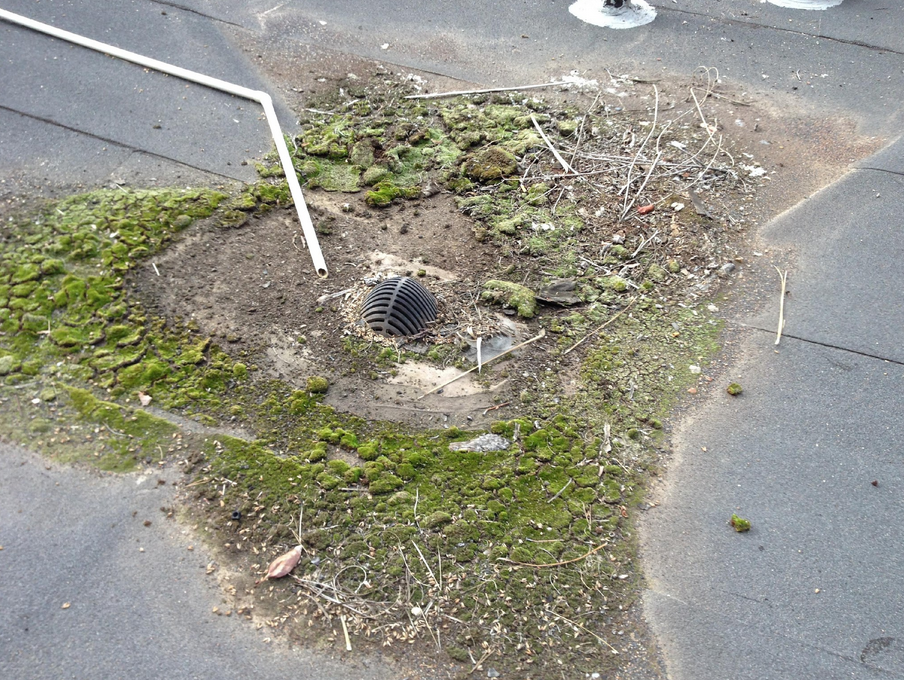
“The excessive accumulation of water at low-lying areas on a roof that remains more than 48 hours after precipitation under conditions conducive to drying.”
This definition is used in warranties, specifications, and building codes across the country. That means a little leftover water, or dirt that collects in low spots after rain doesn’t necessarily mean your roof has ponding issues. Much of what looks like ponding is simply dust and debris settling into shallow areas.
Why Does Ponding Matter?
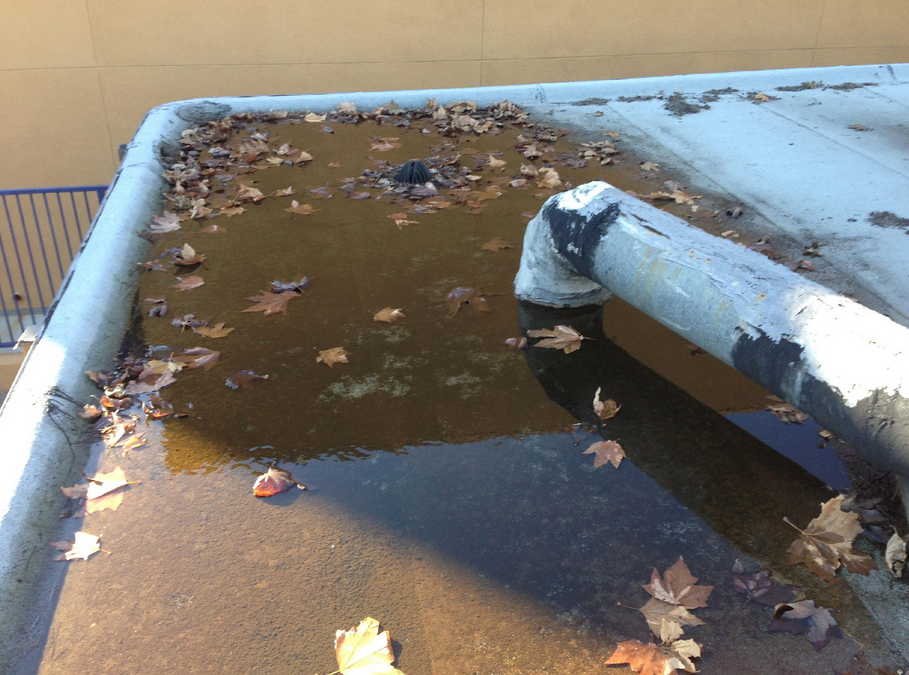
True ponding water is more than just an eyesore, it can create long-term problems for your roof. Standing water that doesn’t drain properly:
- Adds extra weight to the structure
- Speeds up wear and tear on roofing materials
- Can cause premature roof failure
Some materials, like bitumen, degrade faster when constantly wet. Even though certain single-ply membranes claim to tolerate standing water, the
best roofing practice is always to design for positive drainage.
What Causes Ponding Water?
Several factors can lead to ponding water on flat or low-slope roofs, including:
- Sagging or deflected roof decks caused by age or weight loads
- Insufficient slope built into the roof surface (roofs should slope at least ¼ inch per foot for drainage)
- Poor drainage design with too few drains, scuppers, or gutters
- Rooftop obstructions like HVAC units, skylights, or pipes that block water flow
- Lack of emergency overflows such as secondary drains or scuppers on parapet roofs
The Best Defense: Positive Drainage
The best way to prevent ponding water is to make sure the roof drains correctly within 48 hours under normal drying conditions. This can be achieved by:
- Building in the proper slope (minimum ¼ inch per foot is recommended)
- Using tapered insulation systems
- Build up low spots with roofing materials or liquid sloping products
- Strategically placing drains and sumps
It’s also important to plan for emergency overflow drains or scuppers, especially on roofs with parapet walls. These allow water to escape during heavy downpours and prevent dangerous overloading of the roof structure.
Ignoring ponding water during design or construction makes fixing it later costly and difficult, which is why proper drainage planning is essential.
Why Gaco Silicone Coatings Are Different
Most roofing manufacturers exclude ponding water from their warranties and require strict maintenance schedules, sometimes even twice a year for commercial roofs. Gaco is different.
With GacoFlex S42 silicone coatings, ponding water is not excluded from the warranty. This is extremely unusual in the roofing industry and gives customers added peace of mind. The Gaco system is designed to:
- Withstand permanent ponding water
- Protect against ultraviolet light and severe weather
- Create a durable, seamless membrane that adheres to almost any roof surface
- Extend the life of your roof without costly tear-offs
That’s why TWM Roofing confidently recommends
Gaco for
HOAs and residential flat roofs.
Addressing Common Concerns
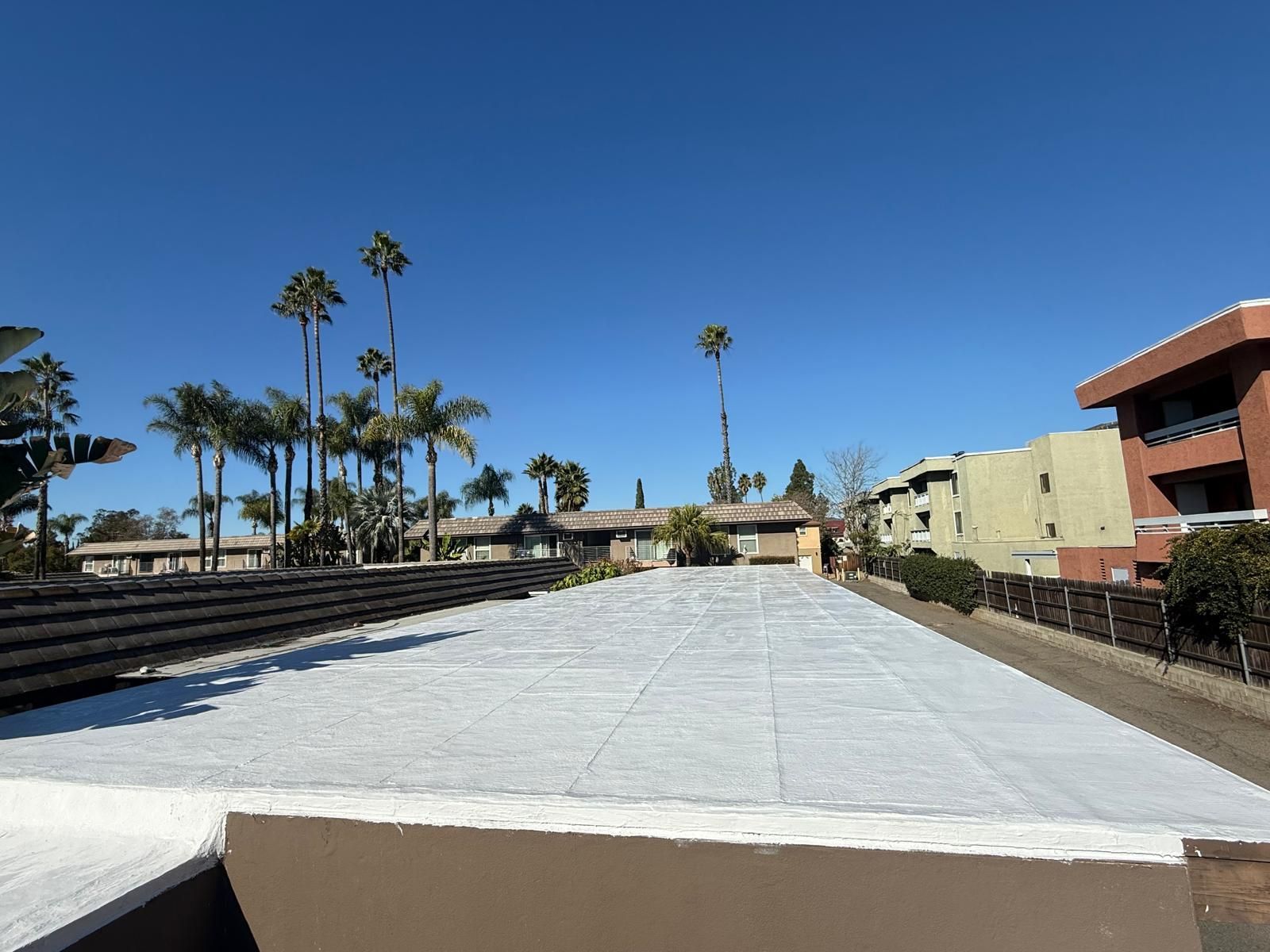
Some homeowners and HOA members notice dark spots or shallow puddles and worry that the roof is failing. In most cases, what you’re seeing is simply dirt that washes into low spots when it rains, much like mud puddles forming in your driveway.
The silicone coating is extremely durable and holds up well under normal foot traffic. The bigger risks usually come from outside contractors, such as solar installers, fumigation crews, or skylight contractors, who may drop tools or hardware that puncture the roof surface.
To minimize these risks, we recommend:
- Requiring HOA approval for any rooftop work such fumigation, painting, window washing, skylight and solar work
- Having TWM Roofing perform a quick follow-up inspection afterward ($175 per visit, with photos and a short report)
This simple process protects the HOA’s investment and holds outside contractors accountable for any damage they may cause.
Can We “Level” Ponding Spots?
Sometimes boards ask if adding more silicone can level out low spots. While applying additional silicone may help water disperse and dry faster, it won’t completely remove the low areas. Dirt will still settle there.
A better approach is to make light cleaning part of your ongoing roof maintenance:
- Remove loose dirt during inspections
- Consider gentle power washing every 3–5 years (not overly aggressive)
- Applying additional Gaco silicone to improve performance
This keeps the roof looking clean and helps maximize performance without risking damage.
Protecting Your Investment
Your roof is a long-term investment, and protecting it is critical. With Gaco silicone coatings and TWM Roofing’s expertise, you have one of the only systems on the market specifically designed to handle ponding water while reducing maintenance headaches.
At TWM Roofing, we believe in building trust through education, communication, and consistent follow-up, not just one-time installations. Whether it’s annual inspections, post-contractor checkups, or long-term maintenance planning, we’re here to help your roof last for decades.
Frequently Asked Questions (FAQ)
Q: What exactly counts as ponding water?
A: Ponding water is rainwater that stays on a roof more than 48 hours after precipitation under conditions that should allow drying. Small shallow puddles or dirt rings usually aren’t true ponding issues.
Q: Why is ponding water a problem?
A: Long-term standing water adds weight, wears down roofing materials faster, and can shorten the life of the roof. Proper drainage is the key to prevention.
Q: What usually causes ponding?
A: Common causes include roof sagging, insufficient slope, too few drains or scuppers, rooftop obstructions, or missing emergency overflows.
Q: How can ponding water be prevented?
A: The best defense is positive drainage, designing the roof so that all water drains within 48 hours. This can involve slope adjustments, tapered insulation, or installing proper drains and overflows.
Q: Can Gaco coatings really handle ponding water?
A: Yes. Unlike most manufacturers, Gaco’s warranty does not exclude ponding water. Their S42 silicone coating is specifically designed to withstand permanent ponding while protecting against UV and severe weather.
Q: Should we try to level out ponding areas?
A: Adding more silicone won’t completely eliminate low spots, it may help water dry faster but dirt will still collect. Regular light cleaning during maintenance is a better solution.
Q: How do we protect the roof from damage during outside work (solar, fumigation, etc.)?
A: Request HOA approval for any rooftop work and schedule a quick follow-up inspection with TWM Roofing. This protects your investment and ensures contractors are held accountable.
TWM Roofing – Roofing Done Right
- Expert flat roof installation & maintenance
- Gaco-certified silicone coating specialists
- Honest, straightforward education for boards and homeowners
Have questions about ponding water or roof maintenance for your HOA? Contact TWM Roofing today and let us help protect your community’s investment.