February Flat Roof Checklist for HOAs & Property Managers

Constanze Taylor • February 23, 2026

Drainage, Ponding, and Small Fixes That Prevent Big Repairs

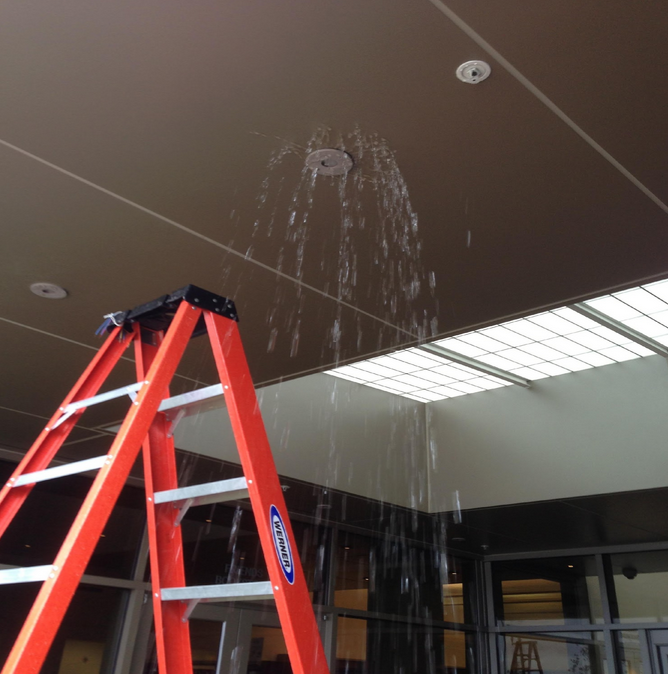
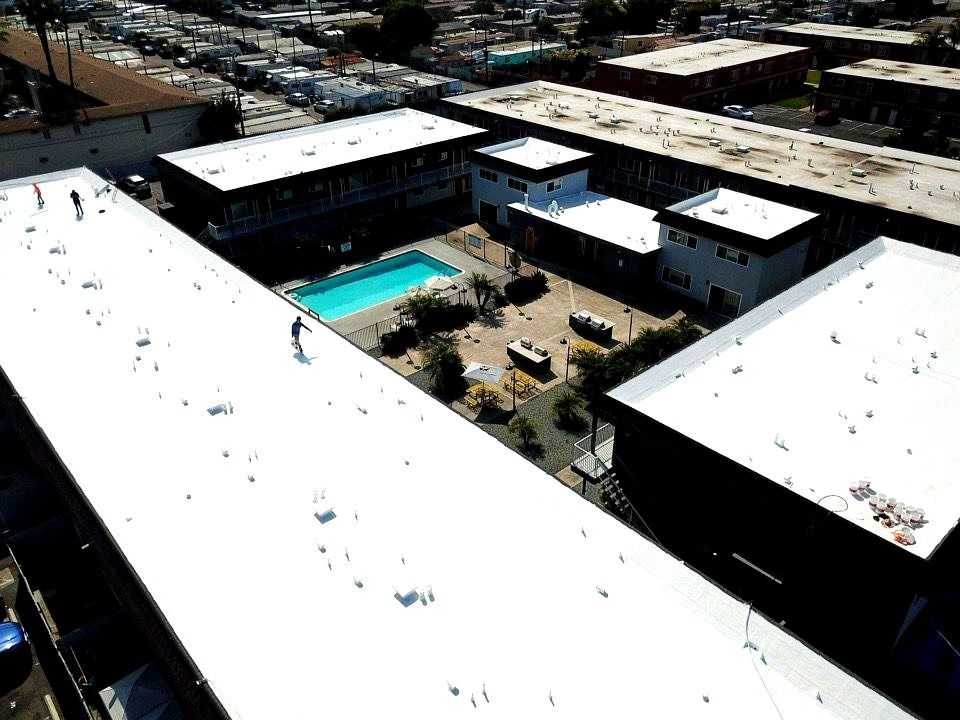
If you manage an HOA community, an industrial site, or a commercial building, the roof is more than just a construction component, it’s a risk-management asset. When a flat or low-slope roof fails, the costs can multiply fast. Interior damage, disrupted operations, emergency calls, unhappy residents or tenants, and board pressure all stack up quickly. The good news is that many expensive roof problems begin as small, preventable drainage issues.


February is a smart time to get ahead of it. Winter weather can expose weaknesses in roof drainage and waterproofing, and the same low spot that causes a minor stain today can turn into a major restoration project during the next storm cycle. This is why February maintenance is less about “doing something” and more about doing the right few things consistently, especially around drains, ponding water, and penetrations.


Ponding Water

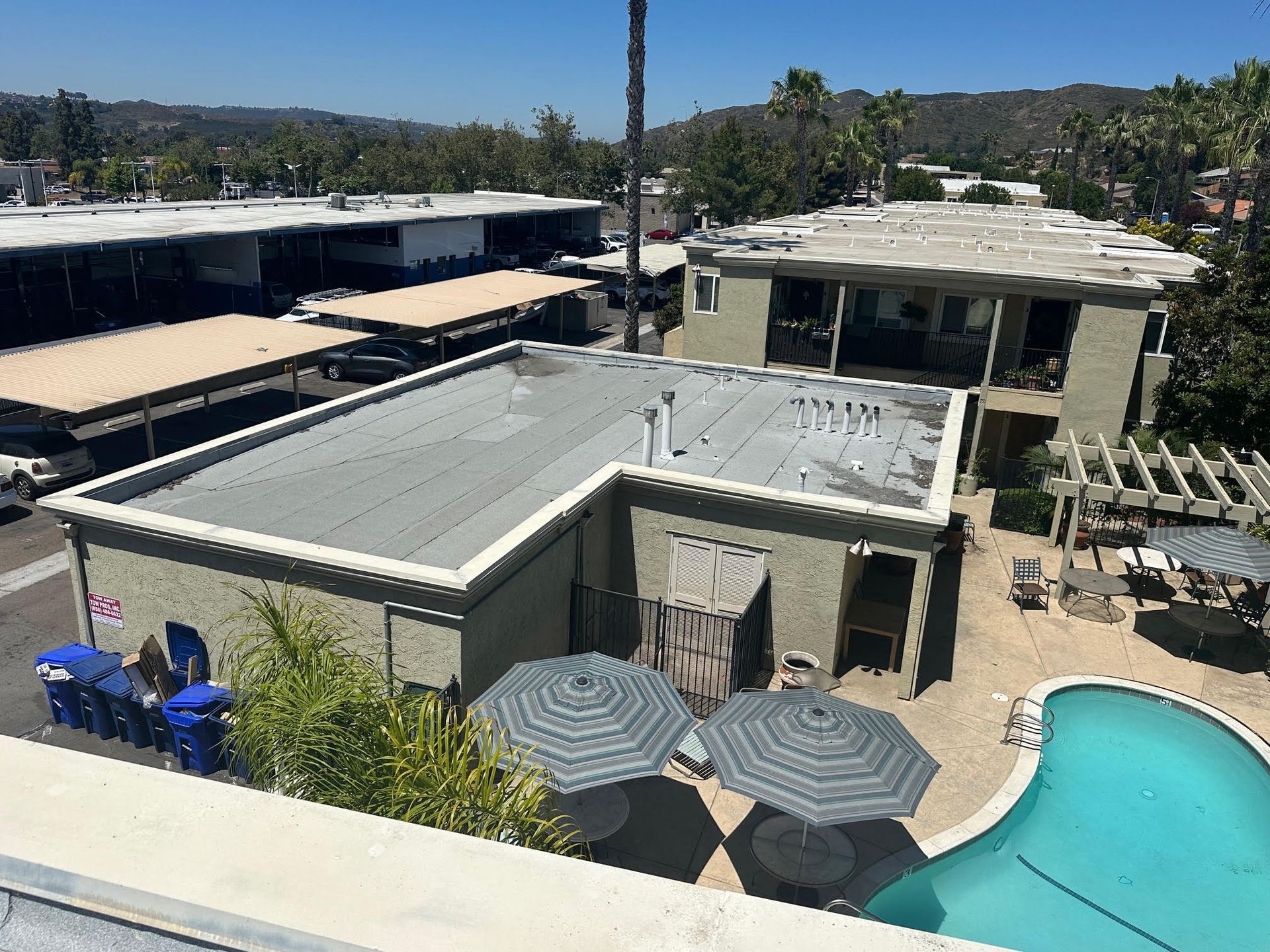
Let’s clarify one term that matters a lot for flat roofs: ponding water. On a low-slope roof, water movement can be slower than on a steep residential roof, and that’s normal. Ponding becomes a concern when water consistently sits in the same area and remains there long after the weather clears. A common professional benchmark is whether standing water is still present about 48 hours after rainfall. Persistent ponding accelerates membrane wear, increases the odds of seam and flashing failures, adds ongoing load in low spots, and often creates the kind of recurring leak complaints that are difficult to trace because the entry point is not always directly above the interior symptom.


Inspecting the Roof

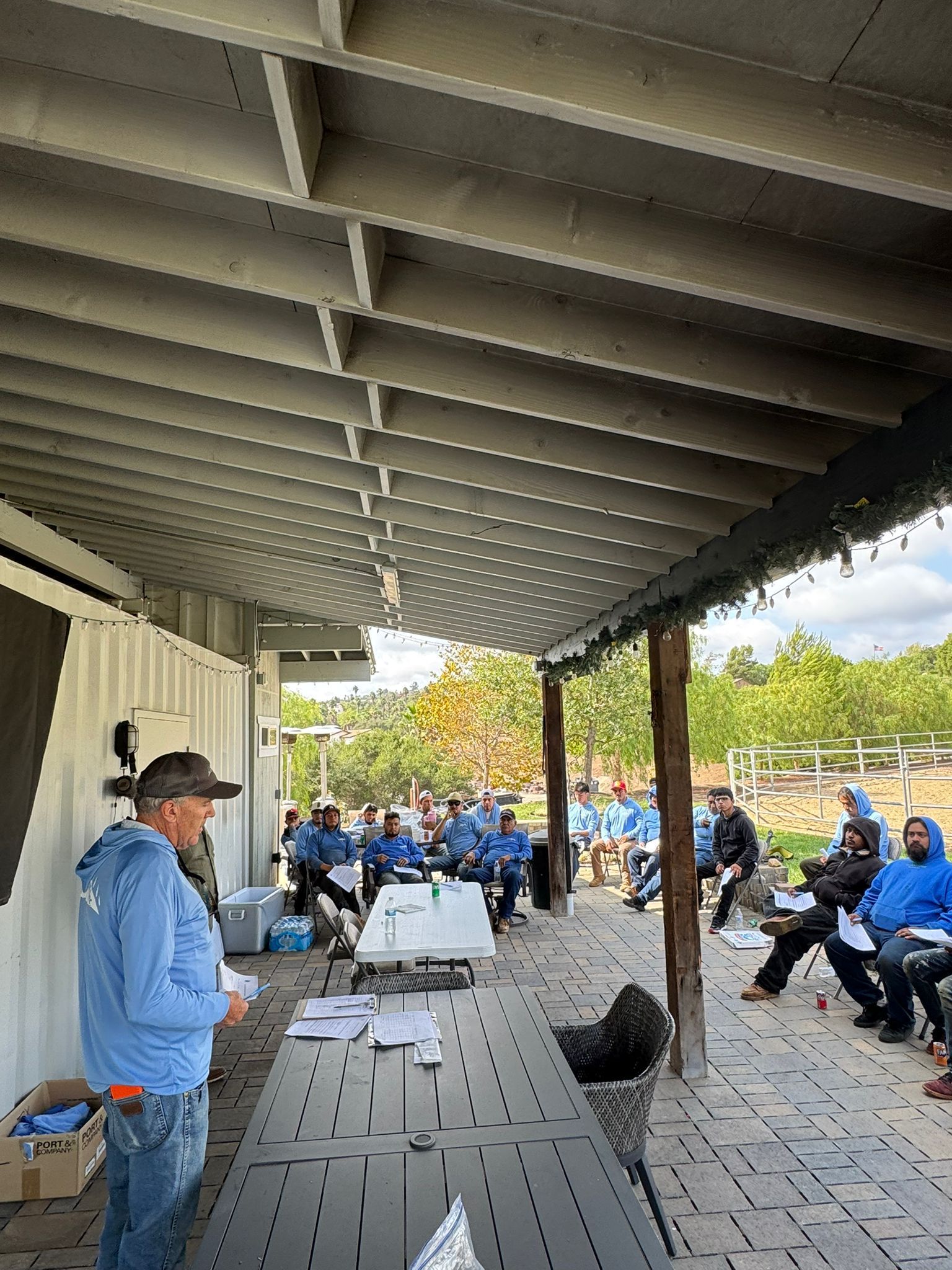
Because roof access has real safety risks, any roof walk should follow safe access procedures and be performed by trained personnel. Wet roofs are slippery, and commercial roofs include trip hazards, skylights, and equipment zones. If your staff is not trained for roof access, the safest option is using a licensed, insured roofing contractor like TWM Roofing.


What Needs to Be Done Now

From a property management standpoint, the highest-return February task is simple: drainage. Drains, strainers, and scuppers should be cleared regularly, not just after heavy rain. Windy days can fill rooftop drains with debris, and once a drain is partially blocked, even moderate rain can create ponding that stresses seams and transitions. It’s also important to confirm that downspouts and leader lines discharge correctly. A roof drain can be clear, but if the downspout is blocked or dumping water into a problem area, you’ll still see overflow staining on walls and erosion at discharge points.


You also want to verify your secondary drainage and overflow pathways. Many buildings have overflow scuppers or secondary drains designed to prevent catastrophic ponding if the primary drains clog. In February, this is a critical risk-management check. If overflows are blocked, water has nowhere to go during a heavy storm, and that can lead to unexpected structural concerns and interior intrusion.


After Rainfall/Storms

One of the most valuable habits you can build is a “48-hour ponding audit.” After a rain event, have your roofer document any areas where water is still standing about two days later. Over time, this gives you a map of recurring low spots, and it helps you decide whether you’re dealing with a maintenance issue, a repair issue, or a slope correction issue that should be considered in capital planning. This approach is far more efficient than repeatedly patching the same symptoms year after year.


Checking Waterproofing

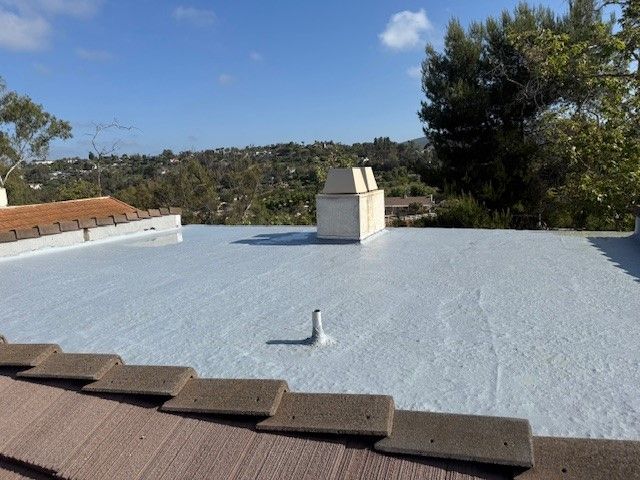
Beyond drainage, the next highest-risk category is seams, laps, and terminations. Flat roofs rely on consistent waterproofing at seams and edges. In February, the warning signs are often subtle: lifting edges, cracks at transitions, wrinkles that weren’t present before, or deteriorated sealant at termination points. Even a small separation can allow water to migrate under the system, especially in wind-driven storms.


Checking Penetrations

Penetrations deserve special attention as well. HVAC curbs, pipe penetrations, skylights, and conduit runs interrupt the roof field, and any mechanical work can disturb surrounding flashing. That’s why facilities often experience leaks shortly after HVAC service, even if the roof itself hasn’t “aged out.” When penetrations are inspected regularly, small seal issues can be fixed before water reaches insulation layers and causes broader damage.


Checking Roof Traffic Paths

A third category that property managers often overlook is roof traffic. Vendors and maintenance staff walk the same paths to equipment repeatedly, and those paths become wear zones. If walkway pads are missing or worn out, the roof membrane can become scuffed, punctured, or weakened along those routes. Managing traffic patterns is often cheaper than repairing membrane damage, and it’s easier to justify to a board because it’s a visible, preventive step.


Checking Edges and Transitions

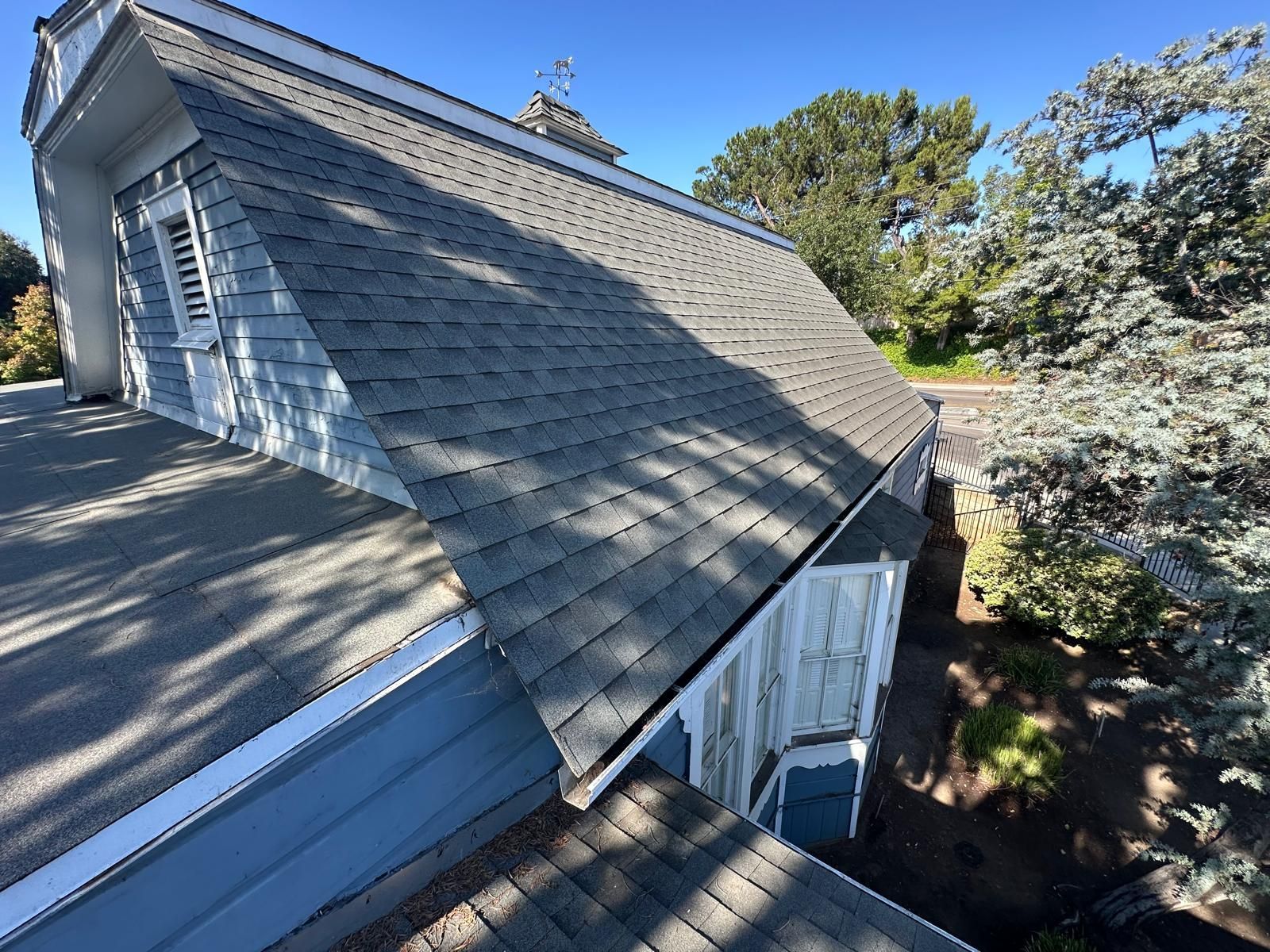
Edges and vertical transitions also take a beating, especially in windy conditions. Coping caps, edge metal, and wall flashings can loosen or separate over time due to movement and weather exposure. Small failures at the edge can create widespread migration under the roof system, which is exactly the kind of issue that turns into repeated interior leaks in different areas.


The Documentation of Issues

From an operations perspective, interior documentation is just as important as exterior findings. When residents or tenants report stains or leaks, it’s helpful to capture a few consistent data points so patterns become visible. A simple method is to document the unit or suite number, the date and time, the weather conditions, and photos of the interior symptom. Over time, this turns “random complaints” into actionable diagnostic information.


Documentation is also what protects boards and managers. A simple roof map, even an aerial printout with notes, paired with date-stamped photos and a maintenance log can transform roof management from reactive to planned. It also makes budgeting easier, improves vendor accountability, and reduces repeat “mystery leak” calls that create frustration for everyone involved.


Handling Issues

When you find issues, it helps to triage them into three levels: immediate items like active leaks or blocked drains; near-term items like recurring ponding or failing sealant at penetrations; and planned capital items like widespread membrane aging or slope correction. This gives the board a clear narrative: what needs action now, what can be scheduled, and what should be planned. That structure is often what keeps a roof plan from turning into panic spending.


For HOAs and commercial properties, the right roofing partner is one who communicates clearly, provides scopes that are easy to compare, supports documentation, and understands how to coordinate repairs with residents and tenants. TWM Roofing is specialized in commercial roofing, HOA support, roof repair, and roof inspections, covering San Diego County, Southern Riverside County, and South Orange County. We have strong affiliations with CACM and BOMA, which align with community management and building ownership.


Summary

Drainage is the fastest ROI. Clear drains, verify overflow paths, document ponding, and inspect penetrations. Those small, repeatable steps prevent the biggest and most expensive flat-roof surprises.

We’ve created a PDF of the checklist for you to use. We hope you find this information helpful.

Flat Roof Checklist Free Download (PDF)

Get a Free Roofing Estimate. Call TWM Roofing today:  760-731-0777.
Best Roofing Company in San Diego
By Constanze Taylor January 29, 2026
TWM Roofing shares 10 qualities that define the best roofing company in San Diego and explains how we meet them. Use this checklist to compare roofers with confidence.
By Constanze Taylor January 6, 2026
What TWM Roofing Wants You to Know Replacing your roof is one of the biggest home projects you’ll ever do. It’s normal to feel nervous about the cost. You might be asking: “What does a new roof cost in San Diego in 2026?” “Why are quotes so different between roofers?” “How do I know if I’m getting a fair price?” At TWM Roofing , we hear these questions all the time. In this guide, we’ll walk through the main things that affect price and how a trusted roofing company like ours builds a roofing quote . This will help you understand what you’re paying for and avoid bad surprises.
By +Constanze Taylor+ November 4, 2025
Restore. Don’t Replace. When a commercial roof ages, you don’t always need an expensive tear-off. Gaco® silicone restoration creates a seamless, weather-resistant surface over your existing roof , typically with less disruption, less cost, and a faster timeline than full replacement. It’s a smart way to extend roof life while keeping tenants and operations moving.
By +Constanze Taylor+ October 7, 2025
When a roofing crew climbs onto your home or building, you’re trusting them with more than shingles, you’re trusting them with safety. At TWM Roofing, we make safety simple, visible, and real. Our teams train hard on fall protection and CPR/AED, and we back that training with industry-leading insurance so you can relax, whether you’re a h omeowner , property manager , or business owner . We’ll show you how our daily habits keep people safe, protect your property, and help projects finish on time—without drama.
By Constanze Taylor June 27, 2025
Lessons from Wildfires in Southern California
We currently offer up to 20% cost savings on selected commercial roofing solutions.
By Constanze Taylor May 30, 2025
The Best Time to Invest in Cost-Effective Roofing Solutions
By Constanze Taylor April 26, 2025
As summer approaches in San Diego, homeowners start to feel the heat—literally. With rising temperatures and increased energy costs, keeping your home cool can become a challenge. But did you know that your roof plays a significant role in your home's energy efficiency? The right roofing materials and maintenance strategies can help reduce indoor temperatures, lower your electricity bills, and extend the lifespan of your roof. As one of the top roofing companies in Southern California, TWM Roofing offers energy-efficient roofing solutions to help you stay cool and comfortable this summer.
High liability coverage for your roofing project is essential for large-scale roofing projects.
By Constanze Taylor February 21, 2025
TWM Roofing has more than the minimum of required liability insurance and EO insurance to protect our clients and give them a peace of mind. Insurance is a crucial requirement for roofing contractors, providing coverage for bodily injury and property damage that may result from accidents on the job site.
Escrow roof inspections play a critical role in real estate transactions.
By Constanze Taylor February 1, 2025
Escrow roof inspections play a critical role in real estate transactions, offering buyers, sellers, and agents clarity and peace of mind. Whether you’re closing a deal or preparing a property for the market, understanding the essentials of escrow roof inspections can save time, money, and unnecessary stress.
By Constanze Taylor July 26, 2024
In recent years, several homeowner’s insurance companies have implemented new policies mandating the replacement of roofs over 20 years old, even if your roof currently show no signs of damage or leaks. This proactive shift aims to mitigate potential risks associated with aging roofs, which are more susceptible to future failures and costly repairs. By encouraging homeowners to replace older roofs preemptively, insurers seek to minimize the likelihood of extensive homeowner’s insurance claims due to unexpected structural issues. Assessing Risk and Homeowner’s Insurance Coverage Insurance providers typically scrutinize older roofs, particularly those exceeding the 20-year mark, more rigorously. This cautious approach stems from the increased likelihood of wear and potential structural weaknesses in aging roofing materials, which could lead to water damage, compromised structural integrity, or even collapse under severe conditions. Regional Variations and Insurance Policies The application of these new rules varies widely among insurance companies and geographic regions. Companies often enforce such policies in areas that are prone to harsh weather phenomena like hailstorms, windstorms, or wildfires, where older roofs pose higher risks of damage. However, even for San Diego county, major national insurers and local carriers alike established roof replacement guidelines based on extensive data analysis and historical claims experiences. Navigating Requirements as a Homeowner If you're a homeowner or a HOA facing these insurance requirements, it's crucial to engage directly with your insurance provider. Understanding the specific conditions and coverage related to the age and condition of your roof can help you navigate potential challenges effectively. Taking proactive measures to maintain or replace an aging roof not only aligns with insurance mandates but also ensures comprehensive protection for your property. The Consequences of Insurance Requirements Many California homeowners are feeling abandoned by their insurance companies as these insurers flee the state, partly due to requirements to replace roofs older than 20 years. This policy change has left many San Diego residents frustrated and betrayed, as they face the costly burden of roof replacements to maintain their coverage. At TWM Roofing, we understand your frustration and stand with you. We're here to help you navigate these challenges, and offer expert roofing solutions, ensuring your home remains protected without breaking the bank. Steps for Replacing a 20-Year-Old Roof 1. Assessment and Inspection: Start by hiring a professional roofer like TWM Roofing to inspect the roof thoroughly. We can provide a detailed assessment of its condition, identifying any damage, wear, or structural issues that necessitate replacement. 2. Choose Quality Materials: Opt for high-quality roofing materials that are durable and have a longer lifespan. Consider options like asphalt shingles, metal roofing, or tile, depending on your budget and aesthetic preferences. 3. Work with Reputable Contractors: Select a licensed and insured San Diego roofing contractor with a proven track record in local roof replacements like TWM Roofing . Ensure they provide warranties for both materials and workmanship to guarantee quality and peace of mind. 4. Communicate with Your Insurance Provider: Keep your insurance provider informed throughout the process. Provide them with documentation of the roof replacement project, including contracts and receipts, to ensure compliance with their requirements. 5. Plan for Future Maintenance: Once the new roof is installed, establish a regular maintenance schedule to extend its lifespan and comply with any ongoing insurance requirements. By proactively addressing these steps, you can navigate the roof replacement process efficiently while meeting your insurance obligations. This proactive approach not only safeguards compliance with insurance policies but also enhances the safety, durability, and overall value of your home. FAQs 1. Why are insurance companies mandating the replacement of roofs over 20 years old? Insurance companies are implementing these mandates for homeowners and HOAs to mitigate risks associated with aging roofs, which are more prone to structural issues and potential damage. By replacing older roofs preemptively, homeowners can reduce the likelihood of extensive claims for repairs due to unexpected failures. 2. How do I know if my roof qualifies for replacement under these mandates? Typically, insurance companies specify age thresholds and may require proof of the roof's condition through inspections by a licensed roofer. It's advisable to consult directly with your homeowner’s insurance provider to understand their specific requirements and whether your roof meets the criteria for replacement. 3. What steps should I take if my roof needs replacement according to my insurance company? Start by hiring a licensed roofing contractor like TWM Roofing to conduct a thorough inspection and assessment of your roof's condition. When you obtain an estimate for replacement from us, we offer warranties for materials and workmanship. Communicate regularly with your insurance provider to align with their documentation and compliance requirements. 4. What are the benefits of replacing my roof proactively under these mandates? Proactively replacing your roof can enhance the safety and structural integrity of your home, reducing the risk of damage from severe weather and potential leaks. It also ensures compliance with homeowner’s insurance policies, potentially lowering your insurance premiums and avoiding coverage disputes in the event of future insurance claims. 5. How can I finance the replacement of my roof if homeowner’s insurance mandates it? Explore financing options such as home equity loans, personal loans, or insurance coverage for roof replacement. We offer our clients information on financing plans, and it's essential to compare rates and terms to find the most suitable solution for your budget and financial situation. By proactively addressing these steps, you can navigate the roof replacement process efficiently while meeting your insurance obligations. This proactive approach not only safeguards compliance with insurance policies but also enhances the safety, durability, and overall value of your home. Contact TWM Roofing today to get your free estimate.