Why Spring Is the Best Time to Restore a Commercial Roof in Southern California
Spring is often the smartest time of year to restore a commercial roof in Southern California, and the reason is bigger than convenience. NOAA’s current seasonal outlook says drought is likely to persist and expand across the West because of low snowpack, early snowmelt, record late-March heat, and an increased chance of above-normal temperatures and below-normal precipitation during April through June. That does not guarantee perfect roofing weather every day, but it does point to a practical spring window for planning and completing roof work before hotter, riskier months arrive.
Spring Gives You A Better Planning Window
In simple terms, spring gives owners a chance to act before the roof becomes a summer problem. When weather trends point toward hotter and drier conditions, a roof that is already aging,
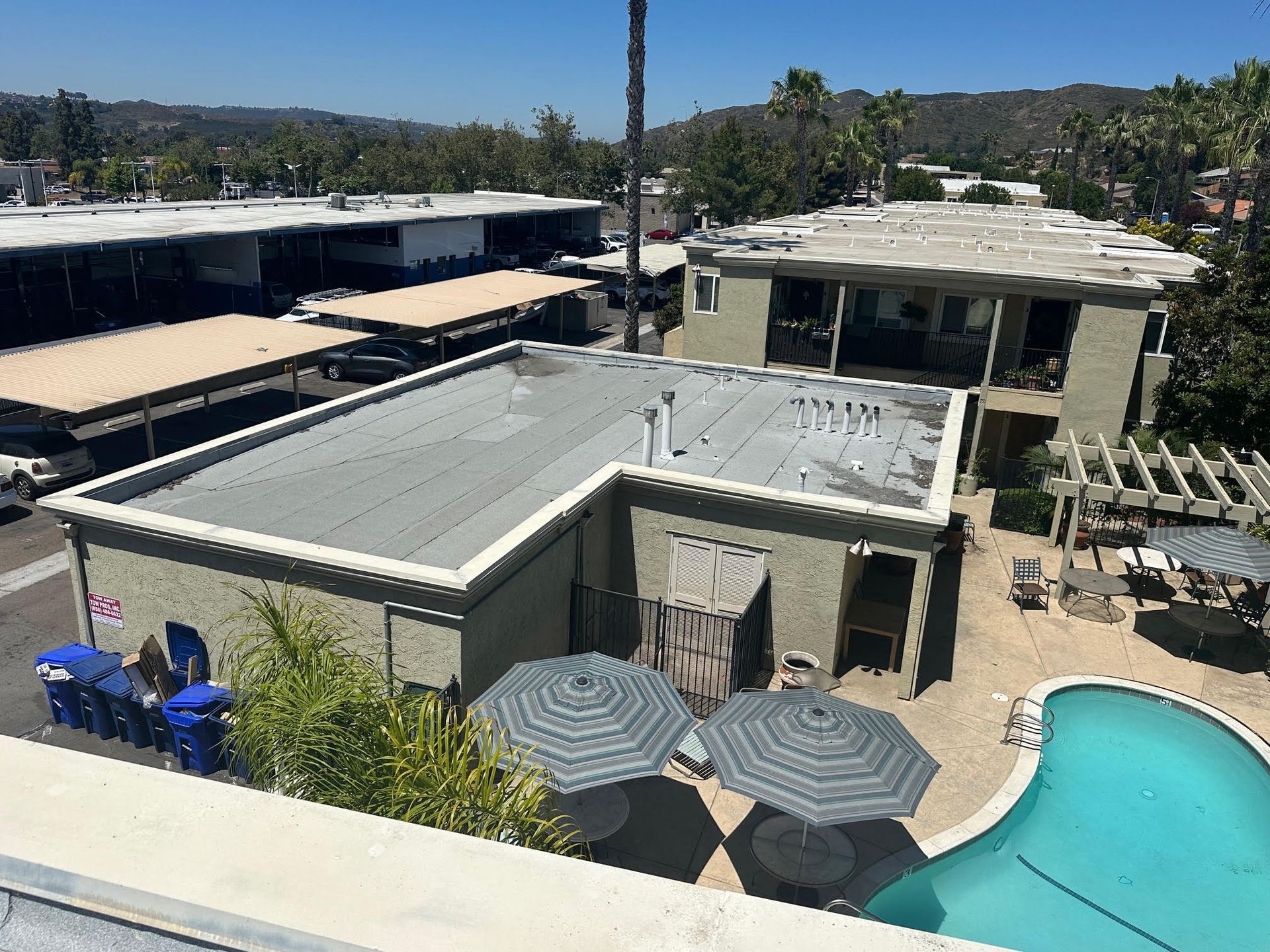
ponding, splitting, rusting, or
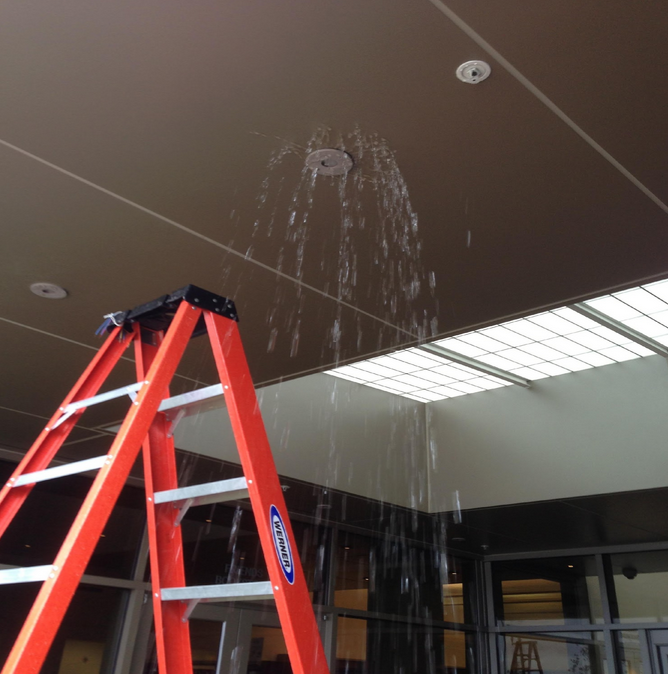
leaking is not likely to improve on its own. Spring gives you time to
inspect the roof, budget properly, and complete restoration work before emergency calls compete with heat, tenant complaints, and peak contractor demand. The seasonal outlook is one more reason not to wait.
Fix Roof Problems Before Summer Heat Hits Hard
Heat changes the conversation for commercial roofs. The U.S. Department of Energy says conventional roofs can reach 150°F or more on a sunny summer afternoon, while a reflective roof can stay more than 50°F cooler under the same conditions. DOE also notes that
cool roofs can lower air-conditioning needs and improve comfort and safety in spaces that are not air-conditioned.
That makes spring restoration especially appealing in Southern California. If your building is already heading into late spring with an aging membrane,
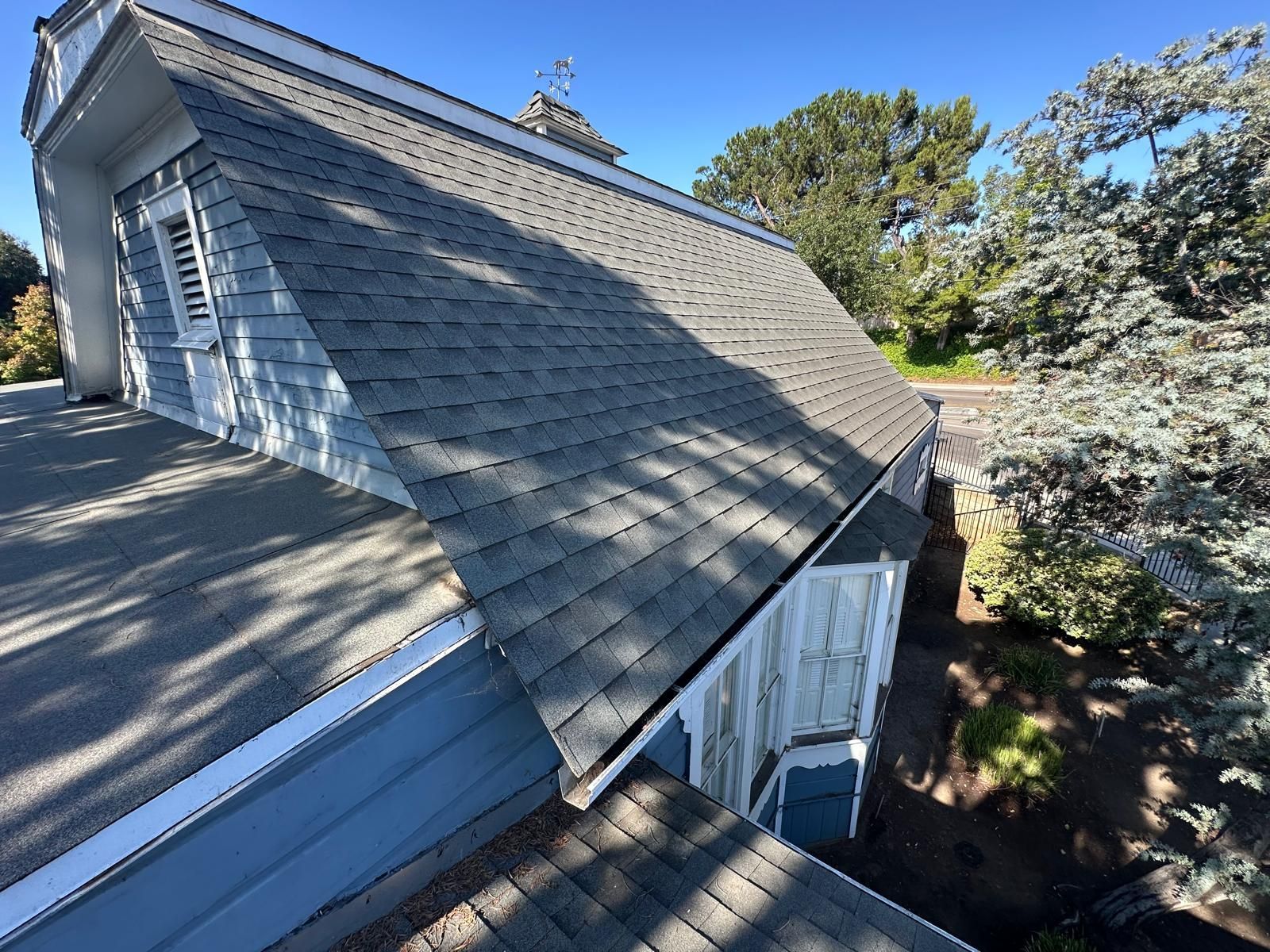
corroded metal, failing seams, or worn coating, summer heat will only add more stress. Restoring now can help you address waterproofing and surface protection before the roof starts taking its hardest seasonal beating.
Reflective Roof Systems Can Start Helping Before The Hottest Months
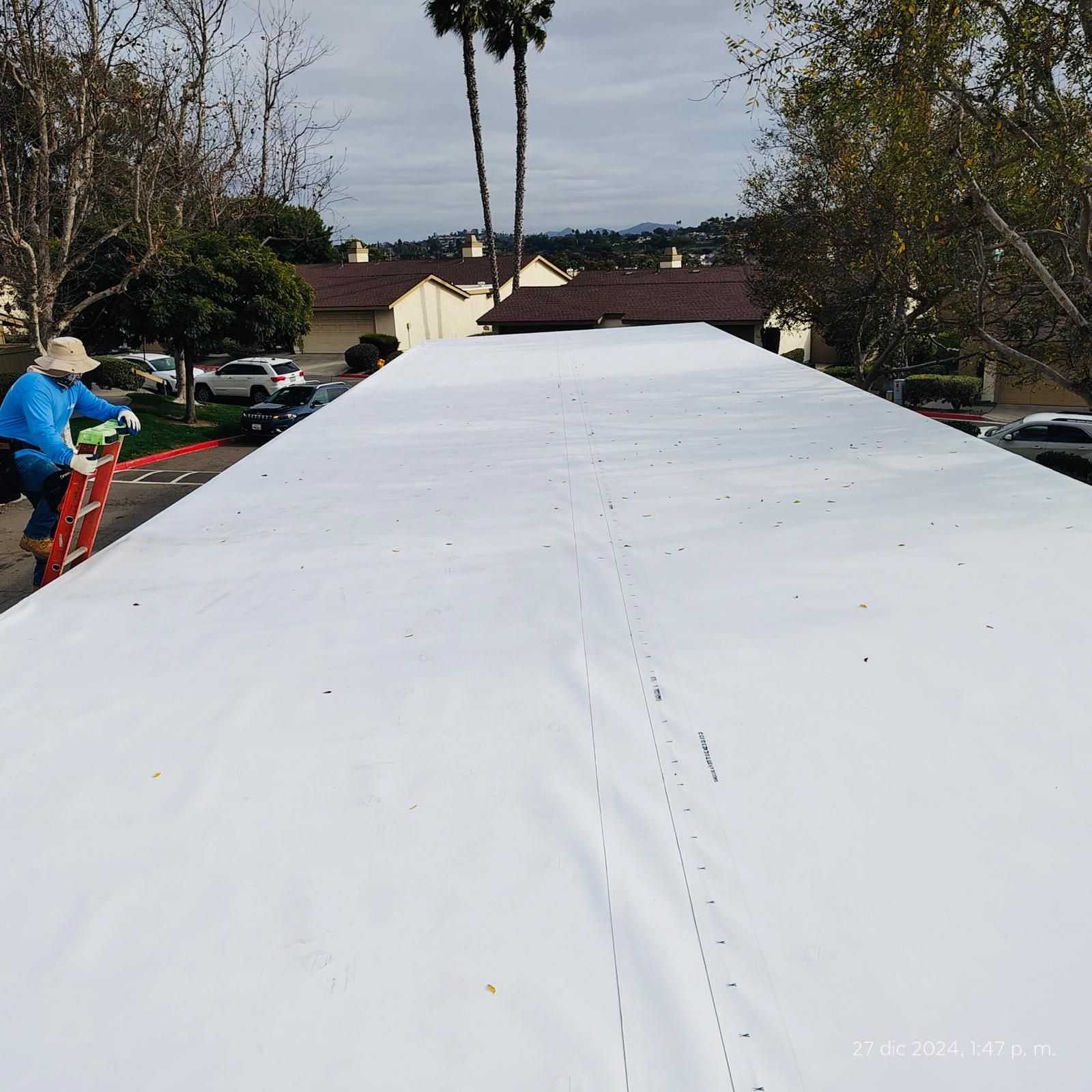
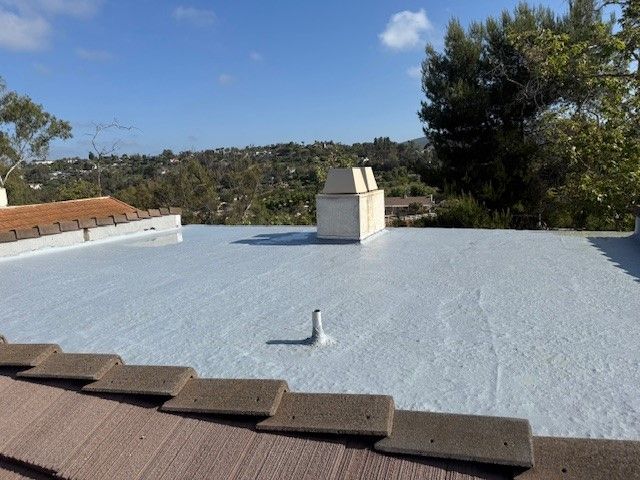
For buildings where a reflective restoration system makes sense, the timing can matter. EPA says
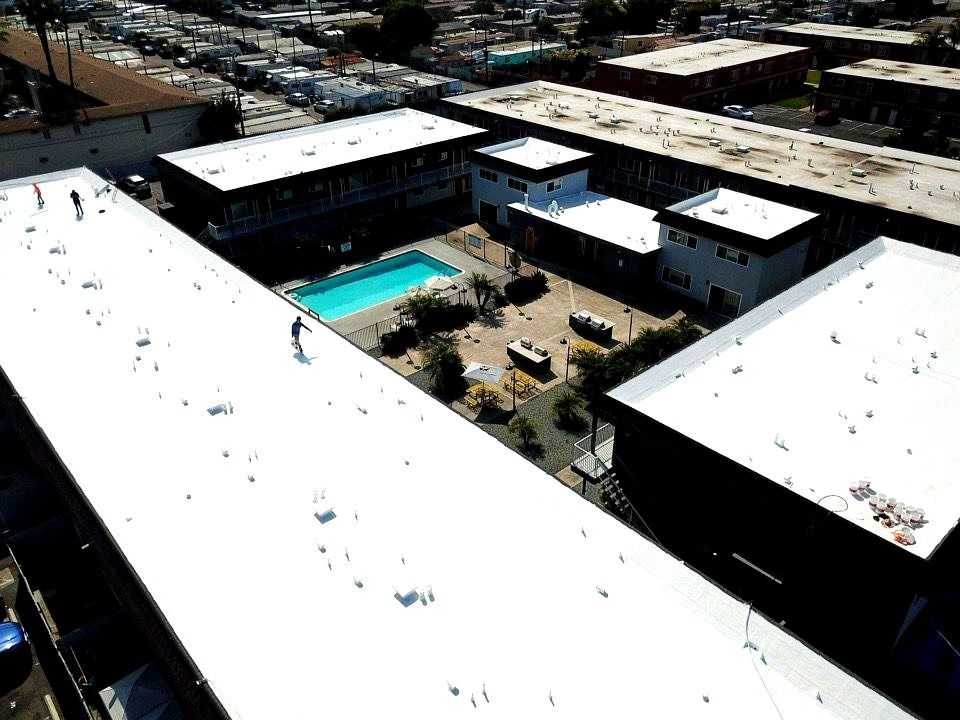
cool roofs lower the amount of heat transferred into the building, and in air-conditioned residential buildings, solar reflectance from a cool roof can reduce peak cooling demand by 11% to 27 %. DOE adds that reflective roofs can
reduce energy bills, ease strain on older or undersized cooling equipment, and improve comfort in hot weather.
Commercial performance will vary by building type, insulation, use, and HVAC design, but the basic idea still holds: if a roof restoration includes a reflective system, spring gives you the chance to have that system in place before the hottest stretch of the year.
Spring Is Also A Smart Time For Wildfire-Ready Roof Details
Spring roof restoration is not just about heat. It is also a good time to
address the wildfire-vulnerable details that often get missed. CAL FIRE says roofs are highly vulnerable because of their exposure to embers and flame, and specifically calls out debris on roofs, openings in the roof assembly, vulnerable skylights, debris-prone roof attachments, combustible gutters, and vent openings that can admit embers.
That means a spring restoration can do more than renew a surface. It can be the right time to clean and protect gutters, repair gaps and transitions, improve flashing details, assess rooftop penetrations, check skylight conditions, and make sure attachments are not creating debris traps. If your building sits in a fire-prone area, that kind of work can improve more than curb appeal.
What To Inspect Before A Commercial Roof Restoration
Not every aging roof needs full replacement. But before a restoration project moves forward, the roof should be checked for wet insulation, open seams, rust or corrosion, loose fasteners, damaged penetrations, ponding areas, skylight failures, drainage issues, and edge detail problems. That matters even more in California if the project will use a liquid-applied coating as part of the compliance path for cool-roof requirements. The California Energy Commission says field-applied liquid coatings used to meet cool-roof requirements must be installed across the entire roof surface and at the manufacturer’s recommended dry-mil thickness or coverage.
In other words, spring is a good time to do restoration the right way:
inspect first,
repair what is failing, prep the surface correctly, and then install the coating or restoration system to specification.
Schedule Restoration Before It Becomes An Emergency
The best commercial roof jobs usually start before the leak becomes urgent. Spring gives
property owners and managers time to make decisions carefully instead of under pressure. It also lines up well with what the weather and wildfire outlook are already telling Southern California: hotter, drier conditions are likely ahead, and roofs that are already compromised will not get a gentler season later.
A spring restoration can help extend roof life, improve performance before summer heat, and fix vulnerable details before
wildfire season and emergency repairs steal the calendar.
Book a spring commercial roof assessment with TWM Roofing. We can
inspect your roof, tell you whether restoration is a good fit, and help you get ahead of summer heat,
leaks, and seasonal risk.
Get a Free Roofing Estimate. Call TWM Roofing today: 760-731-0777.